Top Music Industry Trends to Watch in 2025
The music industry continues to evolve as new tools and platforms change the way artists approach creation and distribution. Observers of the field note that several emerging technologies are beginning to influence both the creative process and the pathways through which music reaches listeners. These developments are not isolated; they intersect with broader shifts in consumer behavior, digital infrastructure, and the business models that support musical work.
Understanding these trends requires looking at how artists, producers, and distributors are adapting to a landscape where traditional methods coexist with innovative approaches. The following sections examine some of the key areas that are expected to shape the music industry in 2025. Each topic is explored with a focus on the processes, tools, and contextual factors involved, rather than on specific outcomes.
The Role of Artificial Intelligence in Music Creation
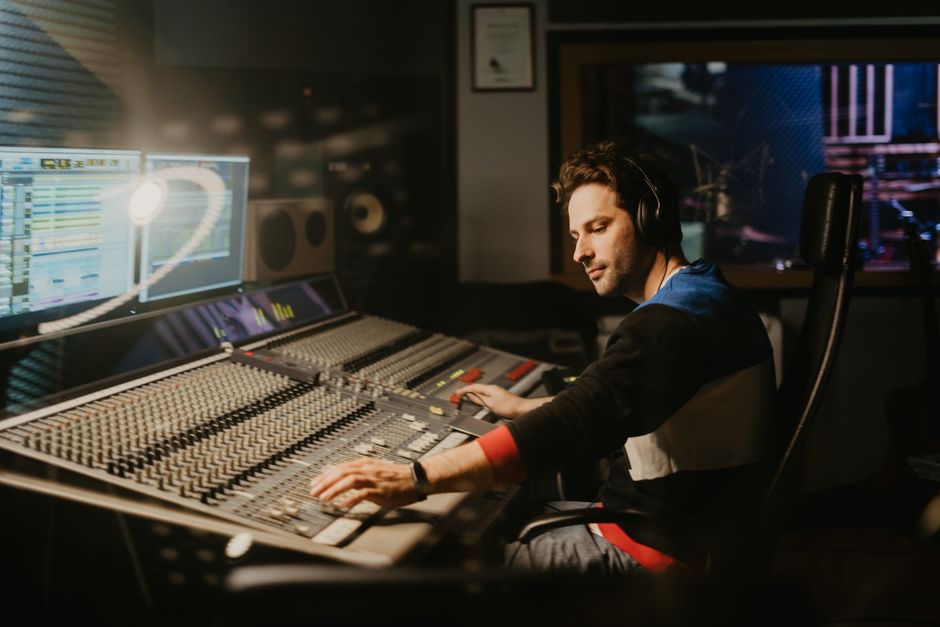
Artificial intelligence has become a tool that musicians and producers integrate into various stages of music production. From generating melodic ideas to assisting with mixing and mastering, AI systems offer capabilities that can complement human creativity. These systems are often based on machine learning models trained on large datasets of existing music, which allows them to suggest chord progressions, rhythms, or even complete arrangements that fit a given style.
In practice, an artist might use an AI-powered plugin to quickly generate a set of backing tracks or to explore harmonic variations that would otherwise require extensive experimentation. Some platforms provide real-time collaboration features where an AI analyzes the current project and offers modifications. Producers also rely on AI for tasks like audio repair, stem separation, and automated leveling, which can streamline the technical aspects of production.
It is important to note that AI does not replace the artist’s vision or decision-making. Rather, it serves as an assistant that can expand the range of possibilities and reduce repetitive work. The effectiveness of these tools depends on how they are configured and the quality of the input data. As more artists adopt such tools, the industry is likely to see a wider variety of creative workflows that blend human intuition with algorithmic suggestions.
Innovations in Live Streaming and Virtual Performances
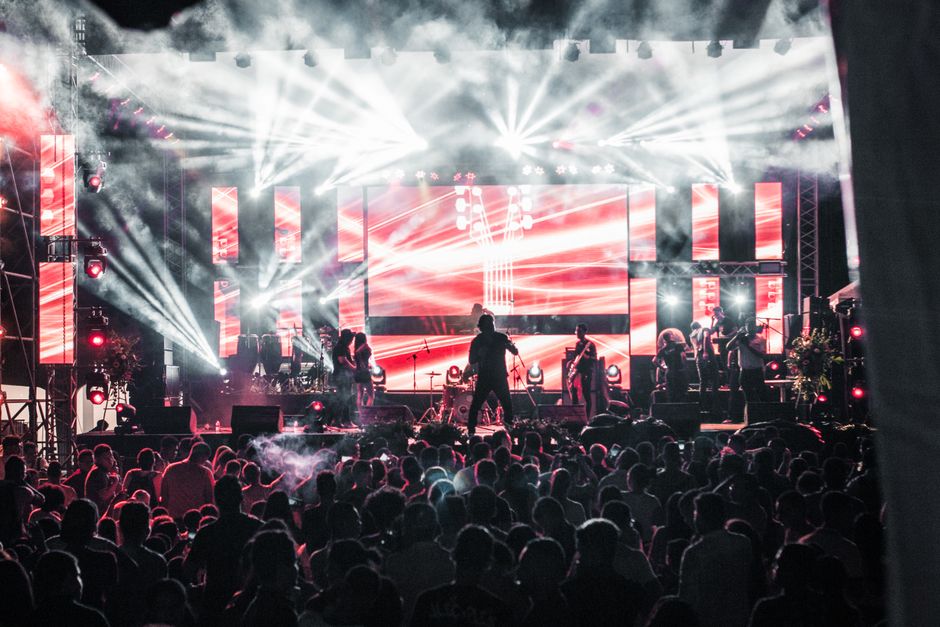
Live streaming has moved beyond simple broadcasts of concerts. Platforms are now incorporating interactive elements that allow audiences to participate in real time. Features such as virtual applause, live chat integration, and even audience-controlled lighting effects are becoming more common. These innovations aim to recreate some of the communal aspects of live events while offering new ways for artists to engage with fans who may be geographically distant.
From a technical perspective, streaming platforms are investing in low-latency video technology and adaptive bitrate encoding to ensure smoother experiences across varying internet speeds. Some services offer spatial audio options that provide a more immersive listening environment. Artists can also use multiple camera angles or 360‑degree footage to give viewers control over their perspective.
Monetization models for live streams have also diversified. Ticketed virtual events, donation systems, and subscription‑based access are some of the methods that artists can employ. The success of these approaches often depends on the artist’s existing audience and the level of interactivity offered. While live streaming does not replicate the energy of an in‑person show, it provides a flexible channel for reaching listeners who might not otherwise attend a physical concert.
Changes in Music Distribution and Direct-to-Fan Models
The traditional model of music distribution, where record labels control the release and promotion of recordings, has been supplemented by direct‑to‑fan channels. Artists can now upload their work to digital stores and streaming services through aggregators or independent distribution platforms. This shift gives musicians more control over release timing, pricing, and the accompanying marketing materials.
Direct‑to‑fan approaches also include the use of fan‑funded platforms where listeners can support projects before they are completed. Crowdfunding campaigns, merchandise bundles, and exclusive content offers are common ways to build revenue outside of streaming royalties. Some artists choose to release music in stages, such as singles followed by an album, to maintain audience engagement over a longer period.
Blockchain technology has entered this space as a method for managing rights and royalty payments. Smart contracts can automate the distribution of earnings to multiple collaborators when a track is streamed or purchased. While still in early adoption, these systems offer a potential framework for more transparent accounting. The actual impact of blockchain on distribution will depend on how widely it is integrated into existing platforms and how regulatory frameworks evolve.
Data Analytics and Its Influence on Creative Decisions
Data analytics provides insight into listener behavior, geographic trends, and the performance of individual tracks. Artists and labels use this information to make decisions about tour routing, marketing spend, and even the style of music they produce. For example, an artist might analyze which songs are most popular in a particular region and then tailor their live setlist accordingly.
Streaming platforms offer dashboards that show drops, saves, and playlist additions. These metrics can indicate which songs resonate most with audiences. However, the interpretation of data requires caution. Popularity does not necessarily equate to artistic success, and over‑reliance on algorithms may lead to homogenized output. Many professionals use data as one input among many, combining it with creative instinct and audience feedback.
Predictive analytics tools are also being developed to estimate the potential reach of a release before it launches. These models consider factors such as past performance, genre, and promotional activity. Their predictions are conditional and depend on the accuracy of the underlying assumptions. As with other data‑driven methods, these tools should be seen as aids rather than determinants of artistic direction.
Emerging Technologies and Their Potential Impact
Several other technologies are beginning to influence the music industry. Spatial audio formats, such as Dolby Atmos Music, allow listeners to perceive sound from multiple directions, creating a more enveloping experience. The adoption of spatial audio requires changes in production and mixing workflows, as well as compatible playback hardware. While not yet universal, its growth is supported by streaming services that offer spatial audio tracks and by consumer electronics that support the format.
5G connectivity promises lower latency and higher bandwidth, which could enable more reliable live streaming and real‑time collaboration between musicians in different locations. For example, a guitarist in one city and a vocalist in another might jam together with minimal delay. The practical realization of such scenarios will depend on network coverage and the development of software that can handle synchronized audio over distance.
Additionally, virtual reality and augmented reality are being explored for concert experiences and music videos. These immersive environments allow fans to explore 3D spaces while listening to music. The production costs for such experiences remain high, and audience adoption is gradual. Nonetheless, they represent another avenue for artists to differentiate their work and offer unique interactions with their audience.
As these technologies mature, their integration into everyday music creation and consumption will likely be gradual. The industry as a whole tends to adopt innovations at a pace that balances novelty with practicality. Observers from Sound Chronicle suggest that staying informed about these developments can help artists and industry professionals anticipate shifts in the landscape without overcommitting to any single trend.